
Optimal Timing for Storm Restorations
Understanding the optimal timing for storm restorations can help ensure effective repairs and minimize potential damage. The best time typically depends on seasonal weather patterns and regional climate conditions.
This period often experiences increased storm activity, making it a critical time for inspections and repairs to prevent further damage.
Storm risks remain high, with the added benefit of more predictable weather, facilitating timely restoration efforts.
While winter can pose challenges due to snow and cold temperatures, some repairs are best scheduled during this time to prepare for the storm season.

Evaluating storm damage promptly after a storm ensures timely restoration.
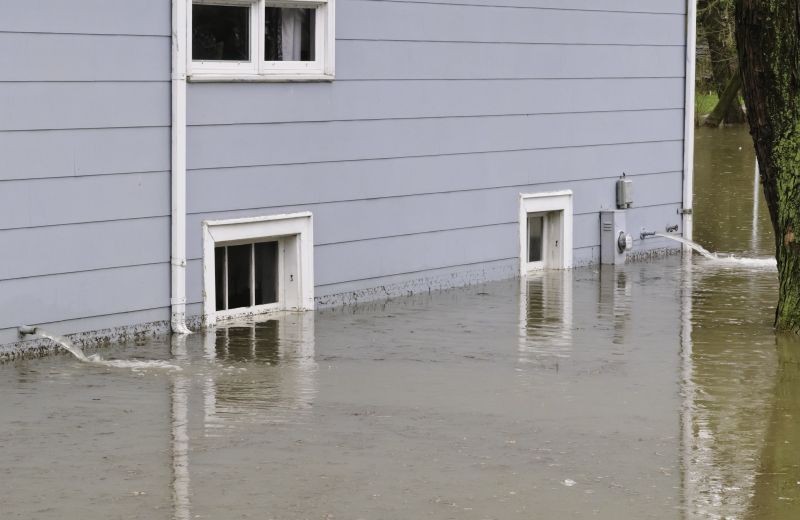
Pre-storm preparations can reduce damage severity and expedite restoration afterward.
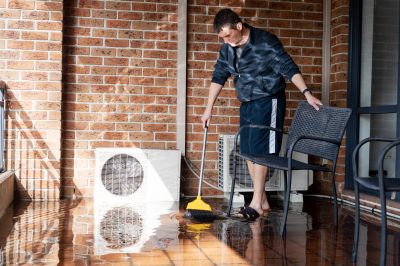
Effective restoration requires quick response to storm aftermath.

Ways to make Storm Restorations work in tight or awkward layouts.

Popular materials for Storm Restorations and why they hold up over time.
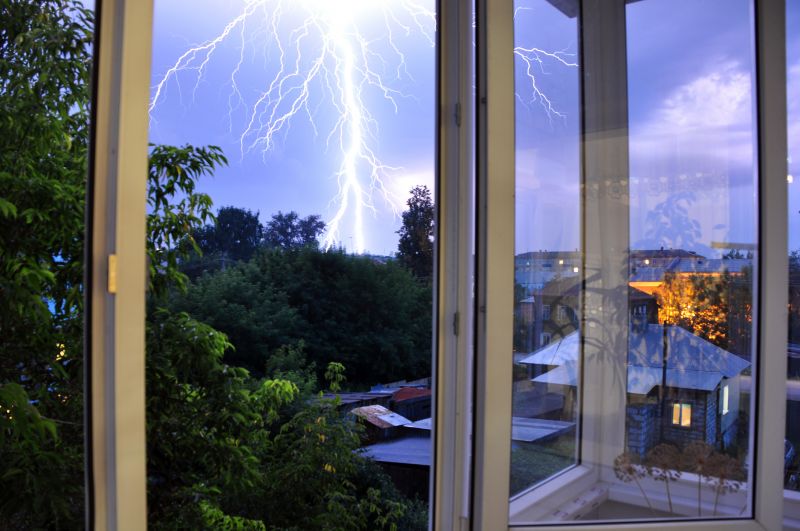
Simple add-ons that improve Storm Restorations without blowing the budget.
| Season | Optimal Restoration Timing |
|---|---|
| Spring | Begin inspections early to prepare for storm season. |
| Summer | Monitor weather patterns for storm activity. |
| Fall | Schedule repairs to address damage before winter. |
| Winter | Perform necessary repairs during milder days. |
Storm restorations involve repairing damages caused by severe weather events such as high winds, hail, and heavy rain. These repairs may include fixing roofing, siding, windows, and other structural components. Timely restoration minimizes further damage, preserves property value, and ensures safety. According to recent statistics, storm-related damages account for a significant portion of property insurance claims annually, emphasizing the importance of prompt action after severe weather events.
Proper planning and understanding seasonal weather patterns can improve the effectiveness of storm restoration efforts. Scheduling repairs during periods of calmer weather reduces delays and allows for comprehensive damage assessments. Regular inspections before storm seasons can also identify vulnerabilities, enabling proactive measures to protect properties from future storms.
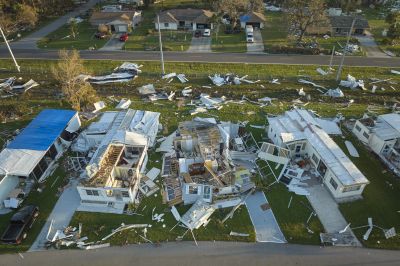
Assessing damage immediately after storms ensures effective restoration.

Quick response to storm damage limits further issues.
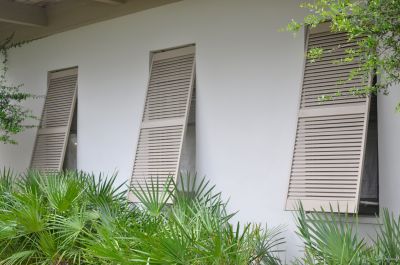
Restoration involves structural repairs and weatherproofing.
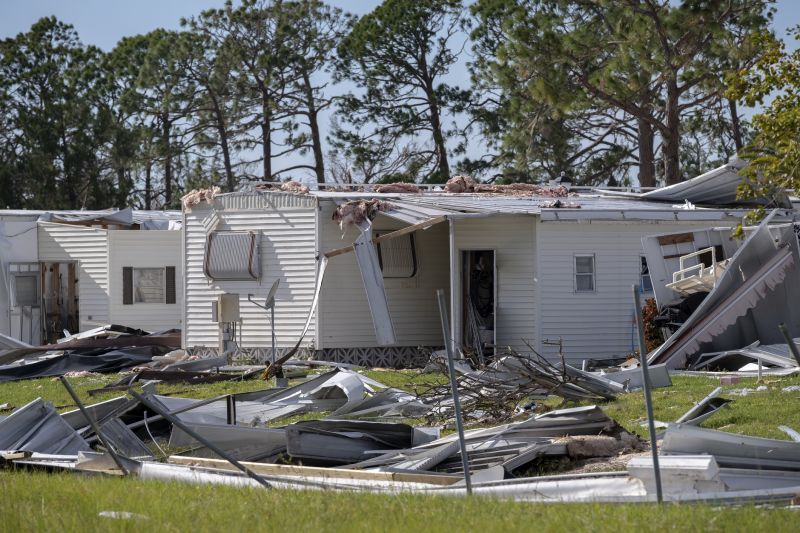
Ensures all damages are addressed and repairs meet standards.
Interested in storm restorations? Filling out the contact form can provide more information and assistance tailored to specific property needs. Early planning and timely action are key to maintaining property integrity and safety during storm seasons.